

Blog / Service

Hyundai Winter-Readiness Checklist | Beaver County, PA | Bowser Hyundai Chippewa

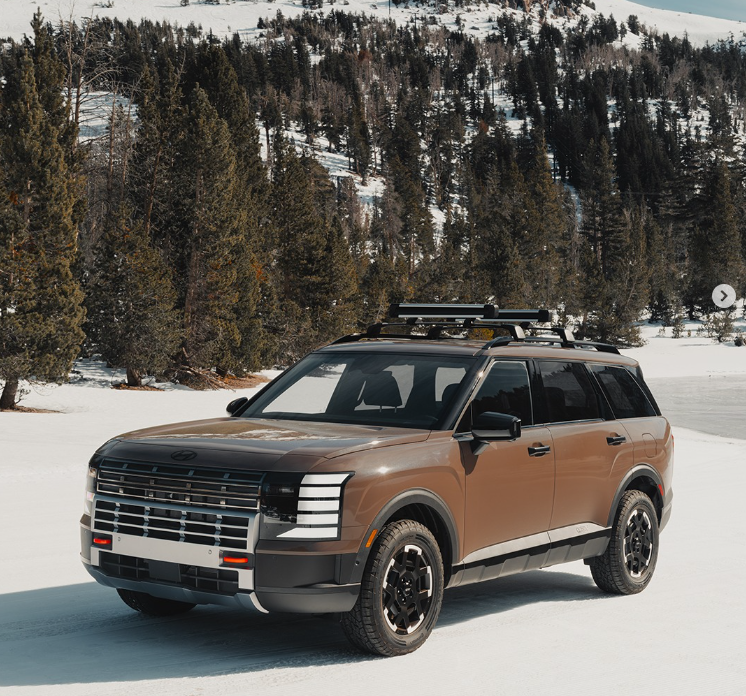
2026 Hyundai Palisade Winter

Is Your Hyundai Ready for a Beaver County Winter?


Winter in Beaver County, Pennsylvania, can bring freezing temperatures, snow-covered roads, icy intersections, and unpredictable weather. From daily commutes through Chippewa Township to traveling along Route 376, Route 51, or local roads around Beaver Falls and Aliquippa, winter driving can present unique challenges for local motorists.
If you drive a Hyundai Tucson, Santa Fe, Palisade, Elantra, Sonata, or another Hyundai model, preparing your vehicle before the first major snowfall is an important step toward safer and more dependable winter driving.

The best way to prepare your Hyundai for winter in Beaver County is to inspect your tires, test your battery, check your brakes and fluids, replace worn wiper blades, and make sure your vehicle's heating and defrosting systems are working properly.

At Bowser Hyundai Chippewa, we understand the demands that Western Pennsylvania winters place on your vehicle. That's why we've put together this Hyundai winter-readiness checklist to help drivers throughout Beaver County prepare for the colder months.


Your Hyundai Winter-Readiness Checklist

Before temperatures drop, use this checklist to make sure your Hyundai is ready for snow, ice, and cold-weather driving.
  1. Inspect tire tread depth and overall tire condition.
  2. Check tire pressure and adjust to Hyundai's recommended PSI.
  3. Test your Hyundai's batter and charging system.
  4. Inspect brake pads, rotors and brake fluid.
  5. Check engine oil and coolant condition.
  6. Replace worn windshield wiper blades.
  7. Fill your washer reservoir and winter-rated windshield washer fluid.
  8. Test your heater, front defroster, and rear defroster, if equipped.
  9. Inspect headlights, brake lights and turn signals.
  10. Review your Hyundai's available winter driving features.
  11. Pack a winter emergency kit.
  12. Schedule any overdue Hyundai maintenance before winter weather arrives.

Completing these steps can help you identify potential maintenance concerns before they become more serious during a Beaver County cold snap.


1. Check Your Hyundai Tires for Snow and Ice

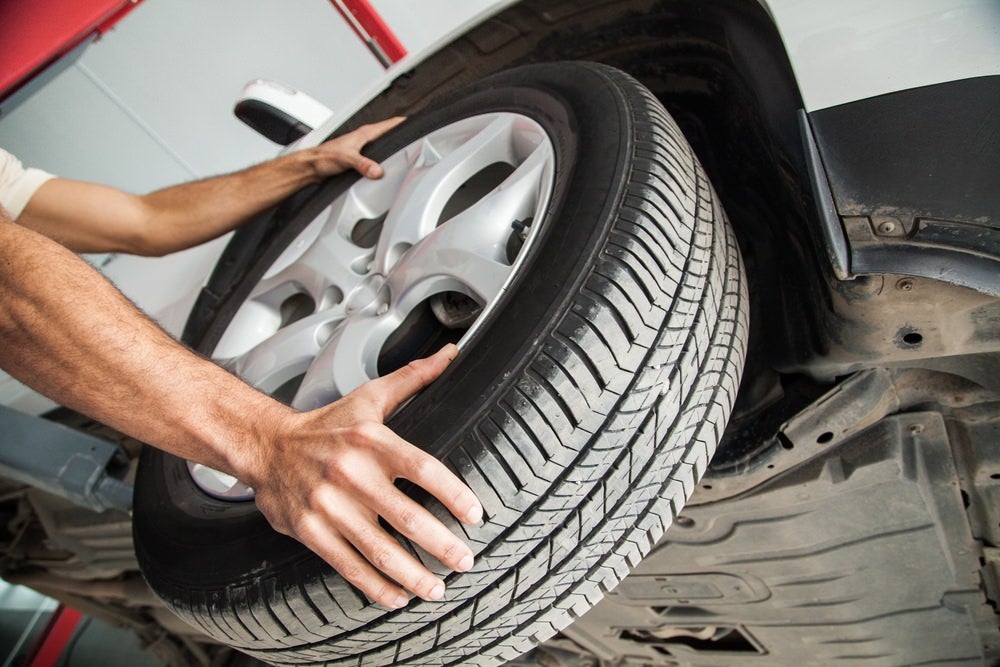
Your tires play a critical role in winter driving performance. Snow, slush, freezing rain, and icy roads can reduce traction making tire condition especially important for Beaver County drivers. Before winter begins, have your Hyundai's tires inspected for tread depth, pressure, and uneven wear.


Why is tire pressure important in cold weather?

Cold temperatures can cause tire pressure to decrease. Underinflated tires may affect handling, fuel efficiency, and tire wear. Check your tire pressure when the tires are cold and inflate them to the recommended PSI listed on your Hyundai's driver's door-jam label.


Should you use winter tires in Beaver County?

Winter tires can provide additional traction in consistently cold temperatures and snowy conditions. They may be especially helpful if you frequently travel on rural roads, steep driveways, or roads that are not cleared immediately after snowfall. All-season tires may be suitable for many drivers, but their winter performance varies. You can see available tires for your Hyundai at the Bowser Hyundai Chippewa Tire Center.


Does Hyundai HTRAC All-Wheel Drive help in snow?

Available HTRAC All-Wheel Drive on select Hyundai models can help improve traction when accelerating on slippery surfaces. However, all-wheel drive does not eliminate the risk of skidding or shorten braking distances on ice. Proper tires and cautious driving remain essential. If you drive a Hyundai Tucson AWD, Santa Fe AWD, or another Hyundai equipped with HTRAC, make sure you understand how your vehicle's traction systems operate before winter arrives.


2. Test Your Hyundai Battery Before the First Freeze

A weak battery is one of the most common reasons vehicles experience starting problems during cold weather.
Freezing temperatures can reduce battery performance, making it more difficult for an aging battery to start your Hyundai. Before winter, consider having your battery and charging system tested.

Watch for these warning signs:
  • Your engine cranks more slowly than normal.
  • Your headlights appear dimmer than usual.
  • You experience intermittent starting problems.
  • Your battery is several years old.
  • You have recently needed a jump-start.
A battery test can help identify potential issues before you are stranded in a Beaver County parking lot or driveway on a freezing morning. If your Hyundai needs a replacement battery, a qualified technician can help determine the correct battery specification for your vehicle.


3. Inspect Your Hyundai Brakes and Essential Fluids

Winter driving around Beaver County often requires additional stopping distance and careful braking, particularly when roads are covered in snow or ice. Before winter arrives, have your brakes inspected for wear or damage.

Your Hyundai winter maintenance inspection should include:
Brake pads and rotors: Check for excessive wear, damage, or signs of uneven braking.
Brake fluid: Ensure your brake fluid is maintained according to your vehicle's recommended service schedule.
Engine oil: Use the oil specified in your Hyundai owner's manual and follow the recommended oil change interval.
Engine coolant: Proper coolant condition and freeze protection are important for protecting your engine during freezing temperatures.
Windshield washer fluid: Replace summer washer fluid with a winter-rated formula that can withstand freezing temperatures.

If you notice squealing, grinding, vibration, or changes in braking performance, schedule a brake inspection promptly.


4. Replace Worn Wiper Blades and Check Your Defrosters

Road salt, slush, snow, and freezing rain can quickly reduce visibility during a Beaver County winter. Your windshield wipers and defrosters should be working properly before the first snowfall.

Check the following:
  • Replace wiper blades that streak, chatter, or leave uncleared areas.
  • Fill your washer reservoir with winter-rated washer fluid.
  • Test your front and rear defrosters, if equipped.
  • Check headlights, brake lights and turn signals.
  • Clean the inside and outside of your windows to reduce glare and fogging.

Keep an ice scraper and snow brush in your Hyundai throughout the winter. Before driving, clear snow and ice from your windshield, windows, mirrors, lights, hood, and roof. These steps can help improve visibility during early morning commutes and evening drives through Chippewa Township and the surrounding Beaver County area.


5. Understand Your Hyundai's Winter Driving Features

Many Hyundai models offer available features designed to help drivers manage changing road conditions and improve cold-weather comfort. Depending on your model, trim, and equipment, these features may include:


HTRAC All-Wheel Drive

Available HTRAC All-Wheel Drive can help distribute power between the front and rear wheels to improve traction in certain driving conditions. It can be useful when accelerating on snow-covered or slippery roads, but it does not replace proper winter tires or safe driving practices.


Snow Mode and Drive Modes

Certain Hyundai models offer selectable drive modes, including Snow mode on some vehicles. These modes may adjust vehicle responses to help manage traction in specific conditions. Available modes vary by model, so consult your owner's manual for details.


Heated Seats and Steering Wheels

Available heated front seats, heated steering wheels, and heated exterior mirrors can make cold-weather driving more comfortable.


Hyundai SmartSense

Hyundai SmartSense driver assistance technologies vary by model and trim. These systems may provide assistance in certain driving situations, but they are not a substitute for attentive driving or safe following distances.
Familiarizing yourself with your Hyundai's available winter driving features before the season begins can help you feel more prepared for changing road conditions.


6. Prepare a Winter Emergency Kit for Beaver County Roads

Even a well-maintained Hyundai can encounter unexpected delays during severe winter weather. Whether you're commuting through Chippewa Township, traveling toward Pittsburgh, or driving along Beaver County's local roads, keeping a winter emergency kit in your vehicle is a smart precaution.

Your winter emergency kit should include:
  • Ice scraper and snow brush
  • Small snow shovel
  • Warm gloves, hats, and extra clothing
  • Blanket
  • Flashlight and spare batteries
  • Phone charger or portable power bank
  • Jumper cables or a compatible jump starter
  • First-aid kit
  • Bottled water and nonperishable snacks
  • Sand or another suitable traction aid

If you regularly travel with children or pets, consider keeping additional supplies in your vehicle.
During winter weather, try to keep your fuel tank at least half full and check road conditions before leaving home.
Pennsylvania drivers can visit 511PA for current traffic alerts and road conditions.


7. Schedule Hyundai Winter Maintenance in Chippewa, PA

One of the best ways to prepare your vehicle for winter is to schedule a maintenance inspection before freezing temperatures and heavy snowfall arrive. A pre-winter Hyundai service appointment can help identify potential issues with your tires, battery, brakes, fluids, and other essential vehicle systems.

Depending on your Hyundai's age, mileage, condition, and service history, your technician may recommend:
  • Tire inspection and pressure adjustment
  • Battery and charging system testing
  • Brake inspection
  • Fluid level and condition checks
  • Wiper blade replacement
  • Heating and defroster checks
  • Review of factory-recommended maintenance

Not every Hyundai requires the same services at the same time. Your owner's manual and maintenance history should guide which services are due. If you're searching for Hyundai winter maintenance in Beaver County, PA, Bowser Hyundai Chippewa is a convenient local resource for discussing your vehicle's maintenance needs.
Our team can help you determine what your Hyundai needs to prepare for the colder months ahead.


Frequently Asked Questions About Hyundai Winter Maintenance in Beaver County


How do I prepare my Hyundai for winter in Beaver County, PA?

To prepare your Hyundai for a Beaver County winter, inspect your tires, test your battery, check your brakes and fluids, replace worn wiper blades, and confirm that your heater and defrosters work properly. You should also prepare an emergency kit and review your Hyundai's recommended maintenance schedule before the first major snowfall.


When should I schedule Hyundai winter maintenance in Chippewa, PA?

Fall is generally a good time to schedule Hyundai winter maintenance in Chippewa, PA, before freezing temperatures and major snowfall arrive. Scheduling early allows time to address worn tires, a weak battery, or overdue maintenance before winter driving conditions become more challenging.


Does my Hyundai need winter tires for Beaver County roads?

Winter tires can provide improved traction in cold temperatures and snowy conditions. Whether you need them depends on your commute, driving habits, road conditions, and the type of tires currently installed on your Hyundai. You can view and shop tires online at our Tire Center.


Is Hyundai HTRAC All-Wheel Drive good for Pennsylvania winters?

HTRAC All-Wheel Drive, available on select Hyundai models, can help improve traction when accelerating on slippery roads. However, it does not prevent every loss of traction or eliminate the need for appropriate tires and safe winter driving habits.


How does cold weather affect my Hyundai battery?

Cold temperatures can reduce battery performance and make it harder for an aging or weakened battery to start your vehicle. Having your Hyundai battery tested before winter can help identify potential starting problems.


Where can I get Hyundai winter service near Beaver Falls, PA?

Bowser Hyundai Chippewa serves drivers in Chippewa Township and the surrounding Beaver County area. Drivers near Beaver Falls, Aliquippa, and other nearby communities can contact Bowser Hyundai Chippewa to discuss available service appointments and winter maintenance needs.


What is included in a Hyundai winter inspection?

A winter inspection may include checking tire condition and pressure, battery performance, brakes, essential fluids, windshield wipers, exterior lights, and heating and defrosting systems. The recommended services depend on your Hyundai's model, mileage, and maintenance history.


Get Your Hyundai Ready for Winter at Bowser Hyundai Chippewa

Beaver County winters can be unpredictable, but preparing your vehicle doesn't have to be complicated.
By inspecting your tires, testing your battery, maintaining your brakes and fluids, and ensuring your visibility systems work properly, you can help your Hyundai handle the demands of cold-weather driving. Whether you drive a Hyundai Tucson, Santa Fe, Palisade, Elantra, Sonata, or another model, the team at Bowser Hyundai Chippewa is here to help you prepare for the season ahead.

Don't wait until the first snowstorm to get your Hyundai winter-ready.

Contact Bowser Hyundai Chippewa to learn more about our service offerings and schedule your winter maintenance appointment.

The Power of Bowser. Helping Beaver County drivers stay ready for the road ahead, all year long.
Posted in:

Related Posts

Tires

When Should You Replace Your Hyundai's Tires Before Winter?

When Should You Replace Your Hyundai's Tires Before Winter? As temperatures begin to drop across Beaver County, Pennsylvania, it's time to start thinking about one of the most important parts of your Hyundai's winter preparation: your tires. From snowy roads in Chippewa Township to icy commutes around Beaver Falls, Aliquippa, and the surrounding communities, Western Pennsylvania winters can create challenging driving conditions. Having tires with adequate tread depth and proper inflation is essential for maintaining traction, handling, and braking performance. But how do you know when it's time to replace your Hyundai's tires before winter? You should consider replacing your Hyundai's tires before winter when tread depth is low, wear is uneven, visible damage is present, or the tires are aging. For snow and wet winter roads, replacing tires before they reach the legal minimum tread depth can provide an important safety margin. At Bowser Hyundai Chippewa, we help drivers prepare their vehicles for colder weather. Here's what Beaver County Hyundai owners should know about tire replacement before the first snowfall. 1. Check Your Hyundai's Tire Tread Depth Before Winter Tire tread depth is one of the most important indicators of whether your tires are ready for winter driving. Tread grooves help channel water away from the tire's contact area and provide grip on wet, snowy, and slippery roads. As tires wear down, their ability to maintain traction can decrease. How much tire tread is needed for winter driving? The legal minimum tread depth for passenger vehicle tires in many states, including Pennsylvania, is 2/32 of an inch. However, reaching the legal minimum does not mean a tire is ideal for winter driving. For drivers in Beaver County, the following general guidelines can help: These are general guidelines, not a guarantee of tire performance. Tire design, condition, and winter road conditions all matter. For drivers who frequently encounter snow-covered roads, considering tire replacement around 4/32" to 6/32" of remaining tread can provide a greater safety margin than waiting until the tires reach the legal minimum. 2. Look for Signs of Tire Wear or Damage Even if your Hyundai's tires appear to have adequate tread depth, visible damage or uneven wear can indicate that replacement or additional service is needed. Before winter arrives, inspect each tire for: Uneven tread wear: May indicate alignment, suspension, or inflation problems. Cracks in the sidewall: Can indicate rubber aging or deterioration. Bulges or bubbles: May signal internal tire damage. Cuts or punctures: Can compromise tire integrity. Excessive tread wear: Reduces traction on snow-covered and wet roads. If you notice a bulge, exposed cords, or significant tire damage, have the tire inspected promptly. Do not continue driving on a tire that may be structurally compromised. A professional Hyundai tire inspection can help determine whether your tires can safely remain in service or need to be replaced. 3. Understand How Cold Weather Affects Hyundai Tires Cold temperatures can affect both tire pressure and tire performance. As temperatures drop, the air pressure inside your tires decreases. Underinflated tires can experience increased wear, reduced handling performance, and decreased fuel efficiency. How often should you check tire pressure in winter? Hyundai drivers should check tire pressure regularly, especially during seasonal temperature changes. Check your tires when they are cold and follow the recommended PSI listed on the driver's door-jamb label. Do not use the maximum pressure printed on the tire sidewall as your vehicle's recommended pressure. If your Hyundai's Tire Pressure Monitoring System (TPMS) warning light illuminates during a cold morning, check the pressure in all tires as soon as it is safe to do so. If a tire repeatedly loses pressure, it may have a puncture, leak, or another issue that needs inspection. 4. Should You Replace All Four Hyundai Tires Before Winter? In many cases, replacing all four tires together is recommended, particularly for Hyundai models equipped with HTRAC All-Wheel Drive. Tires with significantly different tread depths or traction characteristics can affect vehicle handling and drivetrain performance. For Hyundai AWD vehicles, maintaining a closely matched set of tires is especially important. Differences in tire circumference can place additional stress on drivetrain components. If only one or two tires are worn, consult a qualified technician and your Hyundai owner's manual to determine the appropriate replacement strategy. When replacing tires, make sure the new tires match your Hyundai's required size, load rating, speed rating, and other specifications. 5. Do Hyundai All-Wheel Drive Vehicles Need New Tires Before Winter? Yes, Hyundai vehicles equipped with all-wheel drive still need tires with adequate tread depth and winter-appropriate performance. Available Hyundai HTRAC All-Wheel Drive can help improve traction when accelerating on slippery roads. However, AWD does not eliminate the need for proper tires. Your tires are still responsible for providing traction when you brake, turn, and accelerate. Even a Hyundai Tucson AWD, Santa Fe AWD, or Palisade AWD can experience reduced traction on snow or ice if its tires are worn or improperly inflated. If your Hyundai's tires are approaching the end of their useful life, replacing them before winter may help improve cold-weather driving performance. 6. When Is the Best Time to Replace Hyundai Tires in Beaver County? Fall is generally an ideal time to inspect and replace tires before winter arrives in Beaver County. Scheduling a tire inspection before the first major snowfall gives you time to address worn tread, uneven wear, or damaged tires without waiting until winter weather creates additional demand. For drivers in Chippewa Township, Beaver Falls, Aliquippa, and nearby communities, consider having your tires checked when temperatures begin to consistently fall. You should also consider tire replacement if: Your tires are approaching the recommended replacement tread depth. You frequently drive on snow-covered or icy roads. Your tires have visible damage or uneven wear. Your vehicle experiences reduced traction in wet or snowy conditions. Your tires are aging and approaching the manufacturer's recommended replacement timeframe. Hyundai tire replacement recommendations can vary by model and tire type. Consult your owner's manual and tire manufacturer guidance for the most appropriate replacement interval. 7. Schedule a Hyundai Tire Inspection at Bowser Hyundai Chippewa Not sure whether your Hyundai's tires are ready for winter? A professional tire inspection can help you understand your current tread depth, tire condition, and whether replacement is recommended before colder weather arrives. At Bowser Hyundai Chippewa, our service team can help you review your Hyundai's tire needs and determine the appropriate maintenance for your vehicle. A tire inspection may include: Measuring tire tread depth Checking tire pressure Inspecting for uneven wear Looking for cracks, bulges, and other damage Reviewing tire size and specifications Discussing replacement options when needed Whether you drive a Hyundai Tucson, Santa Fe, Palisade, Elantra, Sonata, or another Hyundai model, properly maintained tires are an important part of winter readiness. If you're searching for Hyundai tire replacement in Beaver County, PA, Bowser Hyundai Chippewa is a local resource for tire inspections and service. Frequently Asked Questions About Hyundai Tire Replacement Before Winter When should I replace my Hyundai tires before winter? You should consider replacing your Hyundai tires before winter when tread depth approaches 4/32" to 6/32" if you frequently drive in snow or wet conditions, or sooner if the tires are damaged or unevenly worn. Tires must be replaced when they reach the legal minimum tread depth of 2/32". How much tread depth is safe for winter driving in Pennsylvania? For winter driving, more tread is generally better. A remaining tread depth of 4/32" to 6/32" or greater is a useful consideration for snow and wet conditions. The appropriate replacement point depends on the tire type, road conditions, and driving habits. Can I drive my Hyundai with 3/32" tire tread in winter? Although 3/32" is above the typical legal minimum of 2/32", it provides limited remaining tread. Drivers who regularly encounter snow, slush, or heavy rain should strongly consider replacing tires before winter. Do Hyundai AWD vehicles need all four tires replaced at once? Replacing all four tires together is often recommended for Hyundai AWD vehicles to maintain similar tire circumference and traction characteristics. If replacing fewer than four tires, consult your Hyundai owner's manual and a qualified technician. How do I know if my Hyundai tires are too old? Tires can age even when they have remaining tread. Look for cracks, deterioration, or other signs of damage. Hyundai recommends tire replacement after six years of normal service regardless of remaining tread for applicable vehicles; confirm the recommendation in your specific owner's manual. Does cold weather cause my Hyundai tire pressure to drop? Yes. Cold temperatures can cause tire pressure to decrease. Check your tires when cold and inflate them to the recommended PSI on your Hyundai's driver's door-jamb label. Where can I get Hyundai tire service near Beaver Falls, PA? Bowser Hyundai Chippewa serves drivers in Beaver County and the surrounding area. Contact our service team to ask about tire inspections, replacement options, and available appointments. Get Your Hyundai Ready for Winter at Bowser Hyundai Chippewa Beaver County winters can bring snow, ice, freezing temperatures, and challenging road conditions. Making sure your Hyundai's tires are in good condition before winter arrives is an important step toward maintaining traction and handling. If your tires are worn, damaged, or approaching their recommended replacement point, don't wait until the first snowstorm to address the issue. Schedule a Hyundai tire inspection at Bowser Hyundai Chippewa today. Our team can help you evaluate your tire condition, discuss replacement options, and prepare your Hyundai for winter driving throughout Beaver County. The Power of Bowser. Helping local drivers stay ready for the road ahead, all year long.

Summer Vehicle Maintenance Tips from Bowser Chevrolet Chippewa

As the summer heats up, ensuring your vehicle is in top condition becomes more crucial than ever. Whether you’re planning a long road trip or just navigating your daily commute, the hot weather can take a toll on your car. At Bowser Chevrolet Chippewa, we believe in keeping our customers informed and prepared. Here are some essential summer vehicle maintenance tips to help you stay safe and enjoy a smooth ride all season long. 1. Check Your Tires Inspect Tire Pressure: Hot temperatures can cause the air in your tires to expand, leading to over-inflation. Check your tire pressure regularly and adjust as needed to match the manufacturer’s recommendations. Tire Tread: Worn-out tires can be dangerous, especially on hot, slick roads. Ensure your tire tread depth is sufficient to provide adequate traction. 2. Monitor Your Battery Battery Health: High temperatures can speed up the chemical reaction inside your battery, which can lead to overcharging. Make sure your battery is in good condition and consider having it tested at Bowser Chevrolet Chippewa. Clean Connections: Ensure the battery terminals and cables are clean and free from corrosion to maintain a strong connection. 3. Keep Your Engine Cool Coolant Levels: Check your coolant levels regularly and top off if necessary. Your engine’s cooling system works harder in the summer to prevent overheating. Radiator Check: Inspect your radiator and hoses for any signs of leaks or damage. Consider a coolant flush if your vehicle is due for one. 4. Air Conditioning System A/C Performance: A well-functioning air conditioning system is essential for comfort during hot summer drives. If your A/C isn’t blowing as cold as it should, it may need a recharge or servicing. Cabin Air Filter: Replace your cabin air filter to ensure clean air circulation inside your vehicle. 5. Fluid Levels Oil: Hot weather can cause your engine oil to thin out. Check your oil levels regularly and change your oil according to the manufacturer’s schedule. Transmission and Brake Fluids: These fluids are also critical for your vehicle’s performance. Ensure they are at proper levels and in good condition. 6. Inspect Your Brakes Brake Pads and Rotors: Summer driving often means more frequent braking. Check your brake pads and rotors for wear and tear, and replace them if necessary. 7. Wipers and Lights Wiper Blades: Summer thunderstorms can come out of nowhere. Ensure your wiper blades are in good condition to maintain visibility during heavy rain. Lights: Check all your vehicle’s lights, including headlights, brake lights, and turn signals, to ensure they are functioning correctly. 8. Emergency Kit Stay Prepared: Keep an emergency kit in your vehicle with essentials like water, non-perishable snacks, a first-aid kit, jumper cables, and a flashlight. At Bowser Chevrolet Chippewa, our team of experienced technicians is here to help you with all your summer vehicle maintenance needs. Schedule an appointment with us today to ensure your car is ready for the road ahead. Enjoy the summer with peace of mind, knowing your vehicle is in peak condition! Feel free to contact us or visit our service center for any assistance or additional tips. Safe driving and happy summer from Bowser Chevrolet Chippewa!

Spring Vehicle Maintenance for Your Hyundai: Keeping Your Car Ready for the Road

Spring has arrived, and it's time to show some love to your Hyundai after enduring the winter months. Proper maintenance is essential for keeping your vehicle running smoothly, ensuring safety, and saving money on costly repairs down the line. In this blog post, we'll cover essential spring maintenance tasks specifically tailored for Hyundai vehicles. Let's get started! 1. Check and Change the Oil The first step in spring maintenance for your Hyundai is checking and changing the oil. Clean oil is vital for lubricating the engine, reducing friction, and maintaining optimal performance. Over time, oil can become dirty and less effective, so it's crucial to replace it regularly. Tip: Always use the recommended oil grade as specified in your Hyundai owner's manual. Consider using synthetic oil for enhanced engine protection, especially if you frequently drive in challenging conditions. 2. Inspect the Brakes Brakes are a critical safety component in any vehicle, including your Hyundai. Regular inspection for signs of wear, such as squeaking or grinding noises, reduced responsiveness, or uneven braking, is essential. If you notice any issues, it may be time to replace the brake pads, rotors, or even the brake fluid. Tip: Hyundai vehicles often feature advanced braking systems like Electronic Stability Control and Anti-lock Braking System (ABS). Ensure these systems are functioning correctly during your inspection for optimal safety. 3. Check the Battery Cold winter temperatures can weaken your car's battery, affecting its performance and lifespan. Inspect the battery for signs of corrosion, leakage, or damage. Test the battery's voltage and consider replacing it if it's more than three years old or showing signs of weakness. Tip: Hyundai's Battery Management System helps optimize battery usage and lifespan. Make sure this system is activated and functioning correctly to prevent premature battery failure. 4. Inspect the Tires Tire maintenance is crucial for safety, fuel efficiency, and overall performance. Check the tire pressure, tread depth, and overall condition of your Hyundai's tires. Rotate and balance them if necessary, and replace any worn-out tires to ensure optimal handling and traction. Tip: Hyundai vehicles often come equipped with features like Tire Pressure Monitoring System (TPMS) and Electronic Stability Control. Ensure these systems are calibrated correctly and functioning as intended for maximum safety and performance. 5. Check Fluid Levels In addition to oil, your Hyundai relies on various other fluids like coolant, transmission fluid, and windshield washer fluid to operate smoothly. Check these fluid levels regularly and top them off as needed. Inspect for any leaks or contamination that may require further attention. Tip: Hyundai's advanced engine designs and technologies require proper fluid maintenance for optimal performance. Regularly checking and replacing fluids will help your Hyundai run efficiently and last longer. 6. Test the Lights and Wipers Visibility is key to safe driving, so don't overlook the condition and functionality of your Hyundai's lights and windshield wipers. Replace any burnt-out bulbs, cracked lenses, or worn wiper blades to ensure clear visibility in all weather conditions. Tip: Hyundai vehicles often feature advanced lighting systems and rain-sensing wipers. Ensure these systems are calibrated correctly and functioning as intended for maximum safety and convenience. Spring is the ideal time to give your Hyundai the attention it deserves to keep it running smoothly and reliably throughout the year. By following these essential maintenance tips, you can ensure your vehicle is ready for the road ahead, providing you with peace of mind and enjoyable driving experiences all season long. Remember, regular maintenance not only extends the life of your Hyundai but also enhances its performance, safety, and fuel efficiency. Happy driving!