



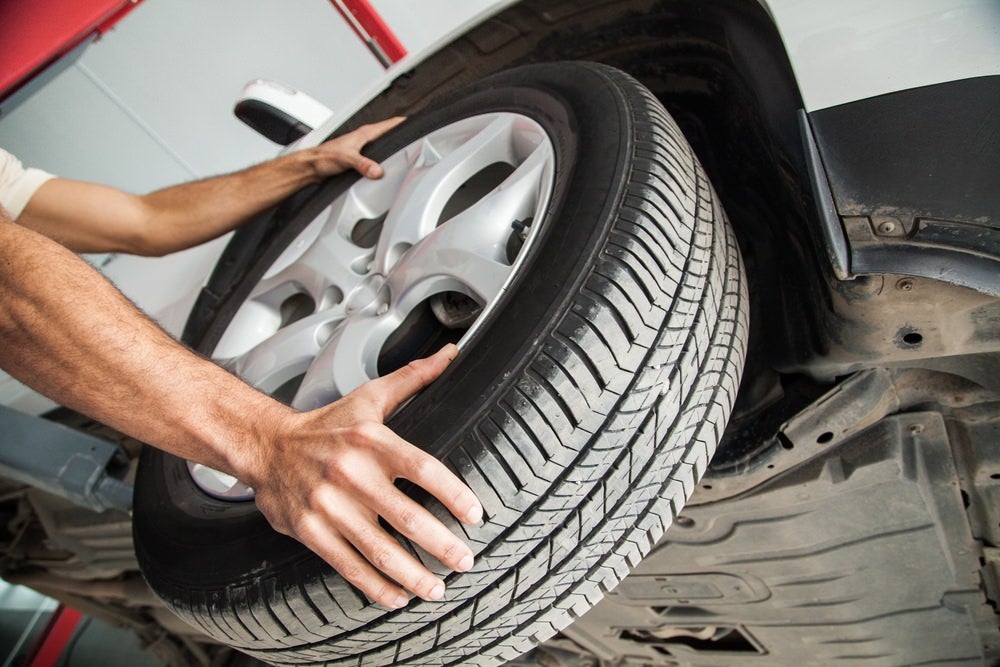
When Should You Replace Your Hyundai's Tires Before Winter?
As temperatures begin to drop across Beaver County, Pennsylvania, it's time to start thinking about one of the most important parts of your Hyundai's winter preparation: your tires. From snowy roads in Chippewa Township to icy commutes around Beaver Falls, Aliquippa, and the surrounding communities, Western Pennsylvania winters can create challenging driving conditions. Having tires with adequate tread depth and proper inflation is essential for maintaining traction, handling, and braking performance.
But how do you know when it's time to replace your Hyundai's tires before winter?
You should consider replacing your Hyundai's tires before winter when tread depth is low, wear is uneven, visible damage is present, or the tires are aging. For snow and wet winter roads, replacing tires before they reach the legal minimum tread depth can provide an important safety margin.
At Bowser Hyundai Chippewa, we help drivers prepare their vehicles for colder weather. Here's what Beaver County Hyundai owners should know about tire replacement before the first snowfall.
1. Check Your Hyundai's Tire Tread Depth Before Winter
Tire tread depth is one of the most important indicators of whether your tires are ready for winter driving.Tread grooves help channel water away from the tire's contact area and provide grip on wet, snowy, and slippery roads. As tires wear down, their ability to maintain traction can decrease.
How much tire tread is needed for winter driving?
The legal minimum tread depth for passenger vehicle tires in many states, including Pennsylvania, is 2/32 of an inch. However, reaching the legal minimum does not mean a tire is ideal for winter driving.For drivers in Beaver County, the following general guidelines can help:
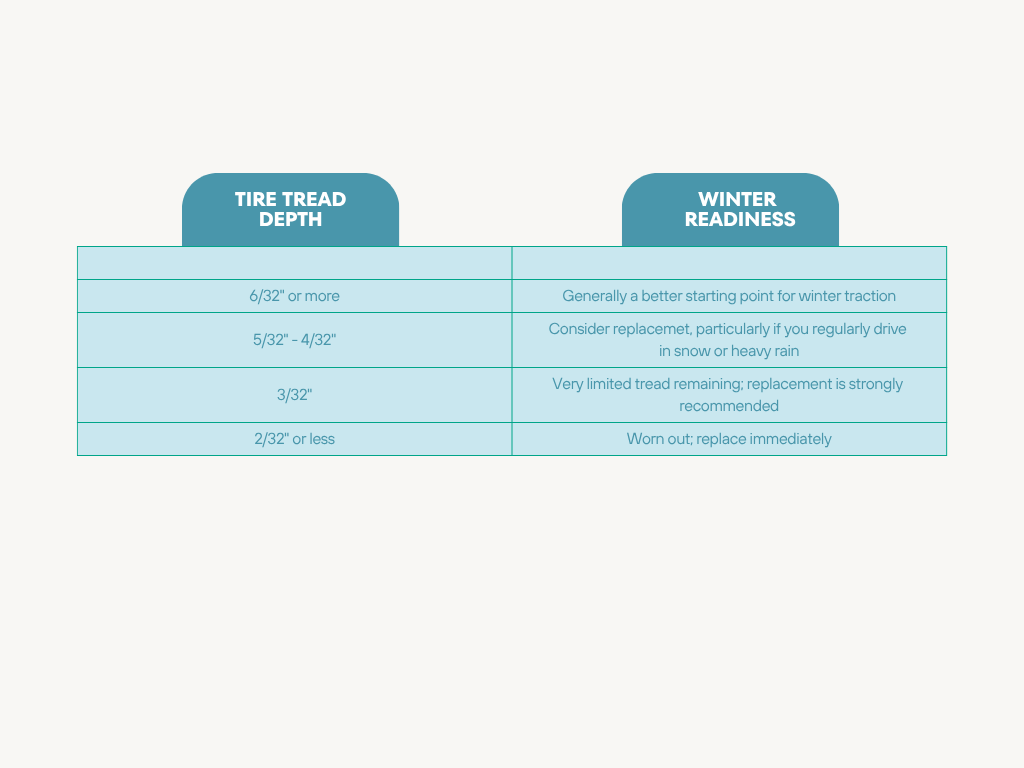
These are general guidelines, not a guarantee of tire performance. Tire design, condition, and winter road conditions all matter. For drivers who frequently encounter snow-covered roads, considering tire replacement around 4/32" to 6/32" of remaining tread can provide a greater safety margin than waiting until the tires reach the legal minimum.
2. Look for Signs of Tire Wear or Damage
Even if your Hyundai's tires appear to have adequate tread depth, visible damage or uneven wear can indicate that replacement or additional service is needed.Before winter arrives, inspect each tire for:
- Uneven tread wear: May indicate alignment, suspension, or inflation problems.
- Cracks in the sidewall: Can indicate rubber aging or deterioration.
- Bulges or bubbles: May signal internal tire damage.
- Cuts or punctures: Can compromise tire integrity.
- Excessive tread wear: Reduces traction on snow-covered and wet roads.
If you notice a bulge, exposed cords, or significant tire damage, have the tire inspected promptly. Do not continue driving on a tire that may be structurally compromised. A professional Hyundai tire inspection can help determine whether your tires can safely remain in service or need to be replaced.
3. Understand How Cold Weather Affects Hyundai Tires
Cold temperatures can affect both tire pressure and tire performance. As temperatures drop, the air pressure inside your tires decreases. Underinflated tires can experience increased wear, reduced handling performance, and decreased fuel efficiency.How often should you check tire pressure in winter?
Hyundai drivers should check tire pressure regularly, especially during seasonal temperature changes.Check your tires when they are cold and follow the recommended PSI listed on the driver's door-jamb label. Do not use the maximum pressure printed on the tire sidewall as your vehicle's recommended pressure. If your Hyundai's Tire Pressure Monitoring System (TPMS) warning light illuminates during a cold morning, check the pressure in all tires as soon as it is safe to do so. If a tire repeatedly loses pressure, it may have a puncture, leak, or another issue that needs inspection.
4. Should You Replace All Four Hyundai Tires Before Winter?
In many cases, replacing all four tires together is recommended, particularly for Hyundai models equipped with HTRAC All-Wheel Drive. Tires with significantly different tread depths or traction characteristics can affect vehicle handling and drivetrain performance. For Hyundai AWD vehicles, maintaining a closely matched set of tires is especially important. Differences in tire circumference can place additional stress on drivetrain components.If only one or two tires are worn, consult a qualified technician and your Hyundai owner's manual to determine the appropriate replacement strategy. When replacing tires, make sure the new tires match your Hyundai's required size, load rating, speed rating, and other specifications.
5. Do Hyundai All-Wheel Drive Vehicles Need New Tires Before Winter?
Yes, Hyundai vehicles equipped with all-wheel drive still need tires with adequate tread depth and winter-appropriate performance. Available Hyundai HTRAC All-Wheel Drive can help improve traction when accelerating on slippery roads. However, AWD does not eliminate the need for proper tires. Your tires are still responsible for providing traction when you brake, turn, and accelerate. Even a Hyundai Tucson AWD, Santa Fe AWD, or Palisade AWD can experience reduced traction on snow or ice if its tires are worn or improperly inflated. If your Hyundai's tires are approaching the end of their useful life, replacing them before winter may help improve cold-weather driving performance.6. When Is the Best Time to Replace Hyundai Tires in Beaver County?
Fall is generally an ideal time to inspect and replace tires before winter arrives in Beaver County. Scheduling a tire inspection before the first major snowfall gives you time to address worn tread, uneven wear, or damaged tires without waiting until winter weather creates additional demand. For drivers in Chippewa Township, Beaver Falls, Aliquippa, and nearby communities, consider having your tires checked when temperatures begin to consistently fall.You should also consider tire replacement if:
- Your tires are approaching the recommended replacement tread depth.
- You frequently drive on snow-covered or icy roads.
- Your tires have visible damage or uneven wear.
- Your vehicle experiences reduced traction in wet or snowy conditions.
- Your tires are aging and approaching the manufacturer's recommended replacement timeframe.
Hyundai tire replacement recommendations can vary by model and tire type. Consult your owner's manual and tire manufacturer guidance for the most appropriate replacement interval.
7. Schedule a Hyundai Tire Inspection at Bowser Hyundai Chippewa
Not sure whether your Hyundai's tires are ready for winter? A professional tire inspection can help you understand your current tread depth, tire condition, and whether replacement is recommended before colder weather arrives.At Bowser Hyundai Chippewa, our service team can help you review your Hyundai's tire needs and determine the appropriate maintenance for your vehicle.
A tire inspection may include:
- Measuring tire tread depth
- Checking tire pressure
- Inspecting for uneven wear
- Looking for cracks, bulges, and other damage
- Reviewing tire size and specifications
- Discussing replacement options when needed
Whether you drive a Hyundai Tucson, Santa Fe, Palisade, Elantra, Sonata, or another Hyundai model, properly maintained tires are an important part of winter readiness. If you're searching for Hyundai tire replacement in Beaver County, PA, Bowser Hyundai Chippewa is a local resource for tire inspections and service.
Frequently Asked Questions About Hyundai Tire Replacement Before Winter
When should I replace my Hyundai tires before winter?
You should consider replacing your Hyundai tires before winter when tread depth approaches 4/32" to 6/32" if you frequently drive in snow or wet conditions, or sooner if the tires are damaged or unevenly worn. Tires must be replaced when they reach the legal minimum tread depth of 2/32".How much tread depth is safe for winter driving in Pennsylvania?
For winter driving, more tread is generally better. A remaining tread depth of 4/32" to 6/32" or greater is a useful consideration for snow and wet conditions. The appropriate replacement point depends on the tire type, road conditions, and driving habits.Can I drive my Hyundai with 3/32" tire tread in winter?
Although 3/32" is above the typical legal minimum of 2/32", it provides limited remaining tread. Drivers who regularly encounter snow, slush, or heavy rain should strongly consider replacing tires before winter.Do Hyundai AWD vehicles need all four tires replaced at once?
Replacing all four tires together is often recommended for Hyundai AWD vehicles to maintain similar tire circumference and traction characteristics. If replacing fewer than four tires, consult your Hyundai owner's manual and a qualified technician.How do I know if my Hyundai tires are too old?
Tires can age even when they have remaining tread. Look for cracks, deterioration, or other signs of damage. Hyundai recommends tire replacement after six years of normal service regardless of remaining tread for applicable vehicles; confirm the recommendation in your specific owner's manual.Does cold weather cause my Hyundai tire pressure to drop?
Yes. Cold temperatures can cause tire pressure to decrease. Check your tires when cold and inflate them to the recommended PSI on your Hyundai's driver's door-jamb label.Where can I get Hyundai tire service near Beaver Falls, PA?
Bowser Hyundai Chippewa serves drivers in Beaver County and the surrounding area. Contact our service team to ask about tire inspections, replacement options, and available appointments.Get Your Hyundai Ready for Winter at Bowser Hyundai Chippewa
Beaver County winters can bring snow, ice, freezing temperatures, and challenging road conditions. Making sure your Hyundai's tires are in good condition before winter arrives is an important step toward maintaining traction and handling. If your tires are worn, damaged, or approaching their recommended replacement point, don't wait until the first snowstorm to address the issue.Schedule a Hyundai tire inspection at Bowser Hyundai Chippewa today.
Our team can help you evaluate your tire condition, discuss replacement options, and prepare your Hyundai for winter driving throughout Beaver County.
The Power of Bowser. Helping local drivers stay ready for the road ahead, all year long.